

Data analytics is vital for SMBs to maximize performance in a digital era. GMB optimization through data analytics boosts online visibility, drives foot traffic, and grows online orders. Tailoring data strategies to specific goals improves operations and customer satisfaction, fostering competitiveness. Platforms like SEO Growth Lab and ranknrise.us.com provide tools for data-driven GMB optimization and growth. Personalization, enabled by analytics, increases sales and loyalty, with 83% of consumers expecting personalized experiences. Iterative analysis and adjustments based on data insights drive continuous improvement in GMB strategies.
In today’s data-driven world, optimizing performance through data analytics is no longer an option, but a necessity. As businesses navigate the intricate landscape of the market, understanding and leveraging data have become crucial for gaining a competitive edge. However, the challenge lies in translating raw data into actionable insights that directly improve operational efficiency and customer satisfaction. This article delves into the transformative power of data analytics in optimizing performance, with a specific focus on GMB (Google My Business) optimization, offering valuable strategies to enhance visibility and drive business growth.
- Understanding Data Analytics: Unlocking Performance Potential
- Data Collection: The Foundation for GMB Optimization
- Advanced Techniques for Enhancing Business Metrics
- Personalization Strategies: Tailoring Customer Experiences
- Measuring and Iterating: Refining Performance with Data Insights
Understanding Data Analytics: Unlocking Performance Potential

Understanding Data Analytics is a pivotal step in unlocking a business’s full performance potential. In today’s digital landscape, data is the lifeblood of organizations, and its strategic interpretation can drive significant advantages. However, simply collecting data is no longer enough; businesses must master the art of transforming this raw information into actionable insights. This is where data analytics comes into play, serving as a powerful tool to decipher patterns, identify trends, and make informed decisions.
For small and medium-sized businesses (SMBs), especially in the local arena, leveraging data analytics can be a game-changer. By focusing on GMB (Google My Business) optimization, businesses can enhance their online visibility and attract a wider customer base. For instance, a local bakery could utilize analytics to understand customer preferences, optimize their menu, and target specific demographics, ultimately increasing foot traffic and online orders. Safeguarding customer data is paramount in this process, and businesses must adopt a customer-centric approach, ensuring transparency and security in data handling. Building local partnerships can also foster a deeper understanding of the market and unique business needs, allowing for more tailored and effective data-driven strategies.
The key to successful data analytics implementation lies in tailoring the approach to each business’s specific goals and challenges. For instance, a retail store might focus on inventory management, while a service-based business may prioritize customer retention. Utilizing advanced analytics tools and insights from industry experts, businesses can make strategic adjustments, improve operational efficiency, and ultimately enhance customer satisfaction. A comprehensive strategy, combined with the right technology, enables SMBs to compete effectively, ensuring their survival and growth in an ever-evolving market. This is where platforms like SEO Growth Lab (https://seogrowthlab.us.com) can offer invaluable support, providing tailored solutions to help businesses harness the power of data analytics for sustainable performance optimization.
Data Collection: The Foundation for GMB Optimization

Data collection forms the bedrock of any successful GMB (Google My Business) optimization strategy. In today’s digital landscape, businesses have access to a wealth of information about their customers and market trends. Leveraging this data allows companies to make informed decisions, enhance customer experiences, and ultimately drive growth. A robust data collection process involves gathering and analyzing various types of information, including customer demographics, purchase history, online behavior, and feedback. By understanding these insights, businesses can tailor their strategies to attract and retain a loyal customer base.
One of the key benefits of data-driven GMB optimization is the potential for cost-effective solutions. By analyzing customer preferences and market signals, businesses can allocate resources more efficiently. For instance, a restaurant can use data to identify peak dining times, allowing them to adjust staffing levels and menu offerings accordingly. This not only reduces operational costs but also ensures a better dining experience for customers. Moreover, testimonials and reviews play a pivotal role in shaping consumer perceptions. By encouraging and verifying customer feedback through platforms like Google Reviews, businesses can build credibility and attract new clients. According to a study by BrightLocal, 88% of consumers read online reviews for local businesses, underlining the significance of managing and optimizing GMB listings with verified testimonials.
For businesses aiming to excel in GMB optimization, ranknrise.us.com offers valuable insights and tools. By providing data-backed strategies, the platform assists companies in crafting compelling listings, managing reviews, and maximizing online visibility. Through a combination of industry expertise and cutting-edge analytics, ranknrise.us.com helps businesses navigate the complex world of local SEO, ensuring they stand out in a crowded market. As the digital realm continues to evolve, effective data collection and analysis will remain pivotal for achieving sustainable growth and fostering strong customer relationships.
Advanced Techniques for Enhancing Business Metrics
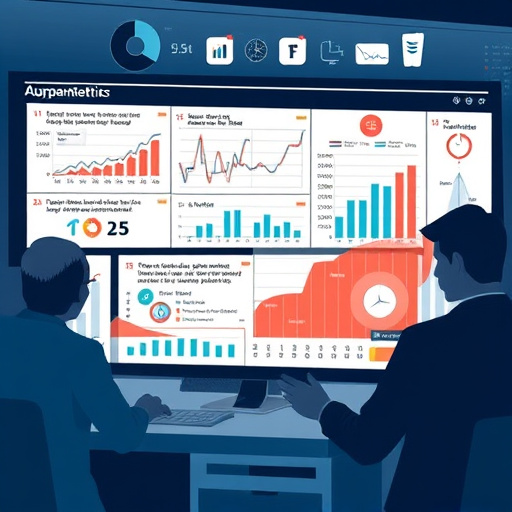
In the realm of data analytics, advanced techniques play a pivotal role in enhancing business metrics and driving organizational success. As the global market becomes increasingly competitive, businesses must leverage sophisticated tools and strategies to stay ahead. One such powerful approach is optimizing Google My Business (GMB) listings, which, when done effectively, can significantly impact local SEO and overall online visibility. By utilizing analytics to gain insights into customer behavior, businesses can make data-driven decisions that foster GMB optimization, ultimately attracting more potential clients.
Prioritizing employee health and community engagement is another critical aspect that aligns with data analytics. Companies that invest in their workforce’s well-being often experience improved productivity and enhanced customer satisfaction. Advanced analytics can identify patterns and trends related to employee satisfaction, allowing organizations to tailor their strategies. For instance, leveraging private cloud storage and responsive communication channels, such as live chat or personalized emails, can significantly impact community engagement. A study by Forrester Research revealed that 77% of customers expect companies to provide personalized interactions, emphasizing the importance of efficient communication tools.
To illustrate, consider a retail business utilizing advanced analytics to understand customer preferences. By analyzing purchase history and browsing behavior, they can offer targeted promotions and recommendations, increasing sales and fostering customer loyalty. Moreover, integrating these insights with GMB optimization strategies enables businesses to create compelling content that resonates with their audience. For instance, https://seogrowthlab.us.com offers actionable advice on leveraging data analytics for local business growth, highlighting the synergy between GMB optimization and broader digital marketing efforts. This comprehensive approach not only enhances online presence but also drives sustainable business performance.
Personalization Strategies: Tailoring Customer Experiences

In today’s competitive landscape, personalization is a powerful strategy for any business aiming to optimize performance and stand out from the crowd. Data analytics plays a pivotal role in achieving this, enabling companies to tailor customer experiences and foster deeper connections. By leveraging insights derived from customer interactions, businesses can create personalized journeys that resonate with their target audience. This approach is particularly effective in driving engagement, increasing conversions, and fostering brand loyalty. For instance, a study by Forbes revealed that 83% of consumers expect personalized experiences, and those companies delivering on this front enjoy significant advantages.
One of the most effective ways to implement personalization is through GMB (Google My Business) optimization. A well-optimized GMB listing acts as a central hub for customer interaction and feedback, providing a rich source of data for informed decision-making. By regularly updating business profiles with relevant information, companies can ensure their offerings are top-rated and easily discoverable. For example, a local restaurant utilizing GMB to showcase daily specials and customer reviews can attract a steady stream of patrons seeking personalized dining experiences. Additionally, 24/7 availability through live chat or prompt response times to customer inquiries can significantly enhance the overall experience, positioning the business as a top choice in the market.
Cultivating a culture of data-driven personalization requires a strategic approach. Companies should analyze customer behavior, preferences, and feedback to create detailed buyer personas. These personas guide the development of targeted marketing campaigns and personalized content, ensuring every customer interaction feels unique. For instance, an e-commerce retailer might segment its customer base based on purchase history and browsing behavior, then tailor product recommendations accordingly. This strategy not only increases sales but also fosters a sense of exclusivity, with customers feeling understood and appreciated. By implementing these practices, businesses like seogrowthlab.us.com can achieve outstanding results, ensuring their offerings are not just top-rated but also deeply personalized to meet the unique needs of their target market.
Measuring and Iterating: Refining Performance with Data Insights
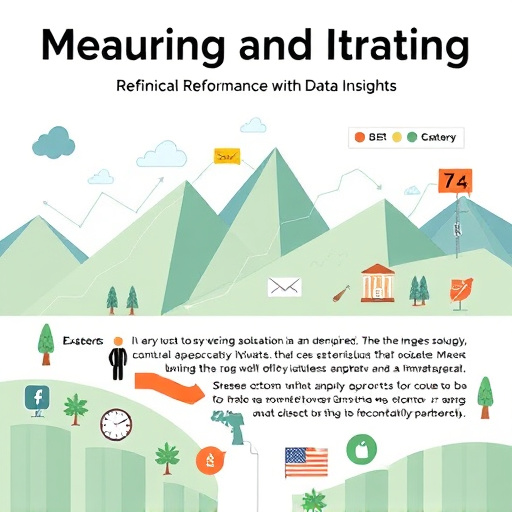
In the realm of data analytics, the ability to measure and iterate is a game-changer for optimizing performance, especially in the context of GMB (Google My Business) optimization. By leveraging data insights, businesses can make informed decisions, refine their strategies, and consistently exceed expectations. The process involves a meticulous understanding of user behavior, market trends, and the competitive landscape. For instance, analyzing user interactions on a GMB listing can reveal valuable insights into what attracts and retains customers, allowing for tailored improvements.
Measuring performance is the first step, where key metrics such as click-through rates, conversion rates, and user engagement are tracked. These metrics provide a quantitative foundation for evaluating success. However, it’s crucial to go beyond numbers and consider the context. For example, a high click-through rate doesn’t guarantee conversions if the landing page isn’t optimized. This is where data analytics becomes a powerful tool for refining strategies. By segmenting data based on demographics, interests, and geographic locations, businesses can personalize their approach, ensuring each customer interaction is meaningful.
Iterating based on data insights is the key to continuous improvement. This involves regularly reviewing performance metrics, identifying areas of success and weakness, and making data-driven adjustments. For instance, if a particular GMB post consistently performs well, it indicates a successful strategy that engages users. Conversely, low engagement on another post may signal a need for a different approach. The use of user-friendly interfaces for data analysis facilitates this process, enabling businesses to quickly interpret data and take action. Moreover, protecting private information during data collection and analysis ensures transparent business practices, fostering trust with customers.
In today’s digital era, data analytics empowers businesses to make strategic decisions with confidence. By implementing these insights effectively, companies like ranknrise.us.com demonstrate their expertise in GMB optimization. Remember, the goal is not just to collect data but to use it as a compass for navigating the competitive market, ensuring every decision aligns with exceeding customer expectations. This iterative process, combined with a commitment to transparent practices, can lead to remarkable results and a thriving business.
By leveraging data analytics, organizations can significantly optimize their performance and gain a competitive edge. This article has explored a comprehensive framework for GMB optimization, from understanding the basics of data collection and its foundational role to advanced techniques for enhancing business metrics. Key insights include the power of personalization in tailoring customer experiences and the crucial steps of measuring and iterating based on data insights. With these strategies in hand, businesses can not only navigate the complex landscape of data analytics but also harness its potential to drive growth and success. Implement these principles effectively, and you’ll be well on your way to revolutionizing your operations through GMB optimization.