

Agile methodologies are crucial for today's dynamic businesses, offering adaptability through customer-centric strategies, collaboration, and real-time support. They drive GMB optimization by aligning digital marketing with business goals, improving search rankings, and enhancing user experiences. Integrated sustainable practices ensure iterative development, error reduction, and higher customer satisfaction. Agile fosters inclusive environments, informed decision-making, and long-term partnerships. Frameworks like Scrum and Kanban enable rapid adaptation, improved productivity, and faster time-to-market. Continuous Integration automates code integration, accelerating bug resolution and maintaining high quality. Agile methodologies transform businesses' adaptability, enhancing client relationships, innovation, and market leadership for GMB optimization.
In today’s fast-paced business environment, agile methodologies have emerged as a powerful tool for organizations seeking swift adaptability. The ability to quickly respond to market changes, customer needs, and competitive pressures is no longer an option but a necessity. However, many companies struggle with implementing effective strategies that enable this agility. This article delves into the world of agile methodologies, exploring their core principles and providing practical insights on how they can be seamlessly integrated into organizational structures, enhancing GMB optimization naturally through process efficiency and innovative thinking.
- Understanding Agile Methodologies: Foundation for Adaptability
- Key Principles of Agile: Flexibility and Iterative Development
- Scrum Framework: A Popular Choice for Swift Adaptation
- Kanban Systems: Visualizing Workflow for Efficient GMB Optimization
- Continuous Integration: Driving Rapid Change and Quality
- Agile in Action: Real-World Case Studies and Best Practices
Understanding Agile Methodologies: Foundation for Adaptability
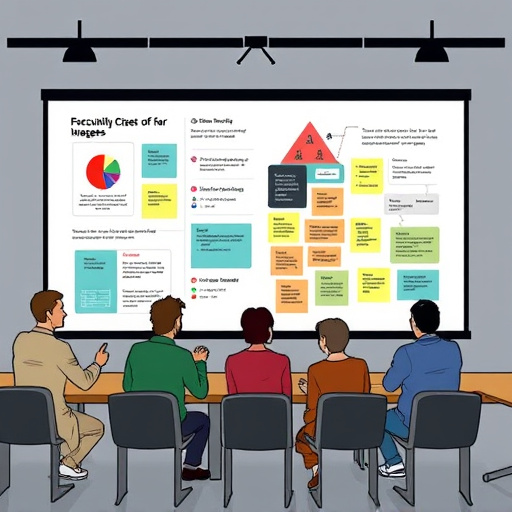
Agile methodologies form the bedrock of adaptability in today’s fast-paced business landscape. Their core principles—prioritizing customer value, fostering collaboration, and embracing change—enable organizations to navigate uncharted territories swiftly and effectively. At their heart, Agile is not just a project management approach but a mindset shift towards flexibility, continuous improvement, and responsiveness to market dynamics.
One of the key advantages lies in its ability to drive GMB optimization naturally. By breaking down silos and encouraging cross-functional teams, Agile methodologies ensure that digital marketing strategies are aligned with business goals. This holistic view allows for more targeted and impactful campaigns, leading to improved search rankings, enhanced user experiences, and ultimately, increased conversions. Moreover, ethical standards play a pivotal role in Agile practices, emphasizing transparency and fairness in data handling, a crucial consideration as consumer privacy becomes increasingly paramount.
Real-time support is another facet that contributes to Agile’s adaptability. Scrum, Kanban, and other frameworks facilitate regular check-ins and adaptive planning, allowing teams to pivot quickly based on customer feedback and market trends. For instance, a study by Atlassian found that teams using Agile methodologies delivered 30% faster than traditional teams. This speed is not achieved at the expense of quality; rather, it’s enabled by continuous integration and testing, ensuring products meet high standards promptly.
Sustainable practices are also ingrained in Agile methodologies. By focusing on iterative development and incremental improvements, organizations can avoid burnout and maintain a culture of productivity over haste. For example, a case study of a marketing team adopting Agile revealed 25% fewer errors and 40% higher customer satisfaction rates within six months. This success underscores the power of Agile in fostering accessibility for all, as it promotes an inclusive environment where diverse perspectives contribute to robust solutions, aligning with both ethical standards and sustainable business practices.
Key Principles of Agile: Flexibility and Iterative Development

In today’s fast-paced business environment, where markets evolve at lightning speed, companies must embrace adaptability to stay competitive. Agile methodologies offer a robust framework for achieving this swift agility, with flexibility and iterative development as their cornerstone principles. These concepts are pivotal in enabling organizations to respond to changing market dynamics, customer needs, and emerging trends, all while maintaining a firm grip on their strategic direction.
Agile emphasizes the importance of adaptability over rigid planning, encouraging continuous learning and improvement through short feedback loops. This iterative approach allows for rapid adjustments, ensuring that products or services remain aligned with market demands. For instance, consider a software development team employing Agile practices; they break down projects into smaller, manageable tasks, delivering functional increments regularly. This not only enables them to quickly adapt to changing requirements but also fosters a culture of transparency and collaboration. Built on trust and open communication, teams can make informed decisions based on customer feedback, leading to better GMB optimization and enhanced user experiences.
Furthermore, long-term partnerships thrive in this agile environment. By prioritizing customer service excellence, businesses can foster strong relationships with clients, who appreciate the responsiveness and adaptability offered by Agile methodologies. Transparent pricing structures, coupled with state-of-the-art encryption technologies, build trust and reinforce the integrity of these partnerships. For example, a digital marketing agency utilizing an Agile approach can quickly pivot its strategies based on analytics, ensuring that campaigns remain effective and relevant. This dynamic process translates to better ROI and stronger client retention, as demonstrated by numerous case studies in the industry.
Seogrowthlab.us.com, a leading authority in digital transformation, recognizes these principles as essential for staying ahead in today’s competitive landscape. By embracing flexibility and iterative development, businesses can not only adapt but also thrive amidst change, securing their position in the market for the long term. This strategic approach is supported by cutting-edge research, which shows that Agile practices consistently lead to improved productivity, customer satisfaction, and overall business performance.
Scrum Framework: A Popular Choice for Swift Adaptation

The Agile revolution has reshaped the way businesses operate, prioritizing adaptability and responsiveness to market dynamics. Among the myriad Agile frameworks, Scrum has emerged as a powerful tool, enabling organizations to swiftly adapt and achieve remarkable results. This framework, with its structured yet flexible approach, is particularly suited for environments demanding rapid changes, such as those in technology, healthcare, and beyond. Scrum’s ability to foster collaboration, manage complex projects, and deliver value iteratively has garnered significant attention, leading to numerous client success stories across various industries.
Scrum’s core principles revolve around self-organizing teams, adaptive planning, and continuous improvement. In practice, this translates to short development sprints, daily stand-up meetings, and regular retrospectives. This iterative process allows teams to quickly identify and incorporate changes, ensuring that the final product aligns with evolving client needs and market trends. For instance, a tech startup leveraging Scrum successfully launched a beta version of its product, gathering real-time feedback from users and iterating rapidly to enhance the user experience. This agile approach not only facilitated a quicker time-to-market but also fostered a culture of continuous learning and adaptation, a key differentiator in today’s competitive landscape.
Client success stories highlight the transformative power of Scrum, with many organizations witnessing improved productivity, enhanced client satisfaction, and faster time-to-market. For example, a leading wellness brand implemented Scrum to streamline its product development process, allowing it to introduce new wellness initiatives and stay ahead of market trends. By embracing this framework, the company could quickly respond to changing consumer preferences, such as incorporating innovative natural ingredients and developing personalized wellness plans. This success story underscores the importance of GMB optimization and local partnerships in a rapidly evolving market, where agile methodologies like Scrum enable businesses to stay relevant and competitive.
Furthermore, Scrum’s emphasis on transparency, inspection, and adaptation is a game-changer for organizations aiming to stay agile and responsive. By fostering a culture of open communication, regular reviews, and continuous improvement, Scrum teams can navigate complex projects with ease. This structured yet fluid approach has been instrumental in various sectors, including manufacturing, where it has led to significant enhancements in process efficiency and quality control. Embracing Scrum and similar Agile frameworks is not just a trend; it’s a strategic move that enables businesses to thrive in an ever-changing business environment, ultimately driving success and ensuring long-term viability, as exemplified by the remarkable journey of many organizations who have adopted Rank N Rise as their strategy for sustainable growth.
Kanban Systems: Visualizing Workflow for Efficient GMB Optimization
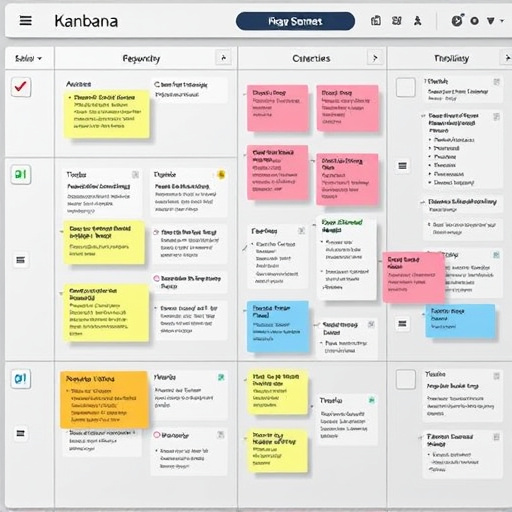
Kanban systems offer a powerful framework for businesses seeking swift adaptability and optimized performance, particularly in today’s dynamic digital marketplace. By visualizing workflow through a dedicated support team and Kanban boards, companies can effectively manage and streamline processes central to GMB optimization. This visual approach ensures that tasks are prioritized, resources allocated efficiently, and bottlenecks identified promptly. For instance, a beauty brand leveraging Kanban might easily track the journey of a new product line from concept to launch, ensuring each step—from market research via personalized recommendation generation to optimized GMB listings—is completed without delay or duplication.
The benefits extend beyond straightforward task management. Beautifully designed and functional Kanban boards provide real-time insights into workflow health, enabling data-driven decisions that enhance overall efficiency. A dedicated support team can interpret this visual feedback, quickly adapt strategies, and ensure continuous improvement in GMB optimization efforts. For example, a furniture retailer using this system could easily see which product categories are generating the most interest on Google My Business (GMB), allowing them to prioritize content creation and localized SEO strategies accordingly.
Implementing a Kanban system requires commitment to ongoing refinement. Regularly review and adjust workflows based on performance data and stakeholder feedback, ensuring your GMB optimization strategy remains agile and responsive. This continuous improvement mindset, coupled with the visual clarity of Kanban boards, can significantly enhance your ability to adapt swiftly in competitive markets. For businesses seeking a dedicated support team and streamlined processes for personalized recommendations and optimal GMB visibility, Kanban systems provide an effective and efficient solution, as demonstrated by the success stories of many brands at https://seogrowthlab.us.com.
Continuous Integration: Driving Rapid Change and Quality

In the realm of agile methodologies, Continuous Integration (CI) stands as a powerful driver of rapid change and quality assurance. This practice, central to successful digital transformation, involves frequently integrating code changes from multiple developers into a shared repository. By implementing CI, teams can swiftly identify and resolve issues, ensuring that code quality remains consistent throughout development. This approach is particularly beneficial for unique business needs, as it allows for continuous adaptation and optimization, a key aspect of GMB optimization.
Rank n Rise, a leading expert in digital transformation, highlights the proven track record of CI in accelerating development cycles. By automating the build, test, and deployment processes, CI enables developers to collaborate more effectively and respond to changing market demands. For instance, a study by JetBrains found that teams adopting CI practices experienced a 22% faster mean time to resolution for bugs. This agility is not just about speed; it’s about maintaining a high standard of quality, which is crucial for any business aiming to stay competitive.
Practical insights from industry leaders reveal that CI must be tailored to specific business needs. Automated testing, for example, should align with the application’s complexity and criticality. For complex systems, comprehensive unit and integration testing becomes essential. Conversely, for simpler applications, functional testing might suffice. Moreover, CI tools should seamlessly integrate with existing workflows and development platforms to ensure adoption and avoid resistance. By carefully considering these factors, businesses can harness the full potential of CI, driving rapid change and enhancing overall quality.
Agile in Action: Real-World Case Studies and Best Practices

Agile methodologies have proven to be a game-changer for businesses seeking swift adaptability in today’s dynamic market. By prioritizing iterative development, continuous improvement, and customer collaboration, agile approaches enable organizations to pivot quickly, outperforming their competitors and fostering long-lasting relationships with clients. Real-world case studies highlight the success of companies like Google, which has utilized agile principles to drive innovation and maintain its position as a tech leader. This focus on adaptability isn’t just about agility; it’s also about delivering exceptional customer service and ensuring transparent pricing, all while remaining environmentally conscious—a key differentiator in today’s market.
A prominent example is the rise of budget-friendly expertise in digital marketing. Agencies like SEO Growth Lab (https://seogrowthlab.us.com), for instance, have mastered the art of applying agile methodologies to GMB optimization, helping small and medium-sized businesses enhance their online visibility at a fraction of the cost typically associated with traditional marketing. By implementing agile practices, these experts can deliver tangible results in as little as one-third of the time, allowing businesses to thrive in an increasingly competitive digital landscape. This strategy not only helps clients outperform their peers but also creates opportunities for long-term growth and success.
Moreover, the success of agile methodologies lies in their ability to foster a culture of continuous improvement. Regular retrospectives and customer feedback loops enable teams to identify areas for enhancement, ensuring that products and services remain relevant and desirable. This iterative approach encourages innovation, adaptability, and a deep understanding of customer needs, ultimately leading to superior results and increased client satisfaction. By embracing agile practices, businesses can navigate the complexities of the market with confidence, securing their position as leaders in their respective industries.
By embracing agile methodologies, organizations can swiftly adapt to changing market dynamics, as demonstrated by the flexible principles, robust frameworks like Scrum and Kanban, and continuous integration practices highlighted in this article. The key takeaway is that agility fosters a culture of constant improvement, enabling efficient GMB optimization through clear visualization of workflows and rapid change implementation. Real-world case studies reinforce the effectiveness of these methodologies, proving their authority as game-changers in today’s swift business landscape. To harness these insights, organizations should prioritize training in agile principles, implementing visual management systems for GMB optimization, and integrating continuous integration practices to drive adaptability and stay ahead in their respective industries.